How to Buy African Fashion Online Safely (Without Getting Burned)
Buying Guide · 10 June 2026 · YANGGAH Editorial
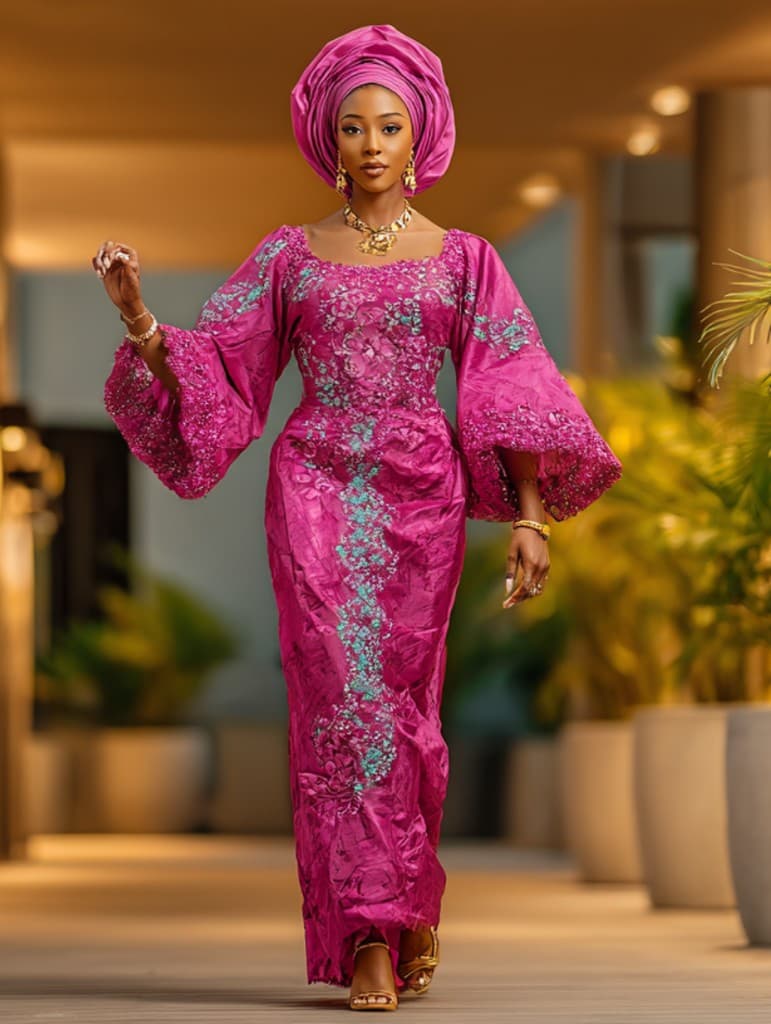
Authentic African fashion (real ankara, hand-finished agbada, custom aso ebi) mostly comes from small designers and tailors, many of them in Nigeria, Ghana, and the diaspora. That's exactly what makes it special, and exactly what makes buying online risky if you don't know what to check. This guide covers how to buy confidently: vetting vendors, paying safely, getting sizing right across countries, and what realistic shipping looks like.
The three risks (and what actually protects you)
When people get burned buying African fashion online, it's almost always one of these:
- The item never ships. You paid via bank transfer or a DM on Instagram, and the "vendor" disappears.
- What arrives isn't what was shown. Different fabric, poor finishing, or a copy of a photo the seller stole from a real designer.
- The fit is wrong, and there's no realistic way to return an item across continents.
Each risk has a specific defence, covered below. The common thread: never pay in a way that gives you zero recourse.
Rule 1: Pay through escrow, not transfers or DMs
Direct bank transfers and social-media payments offer no protection: once sent, the money is gone. Card payments offer chargebacks, but disputes over "item not as described" from another country are slow and uncertain.
The strongest protection is escrow: a marketplace holds your payment and only releases it to the vendor after your order is delivered. If the order never ships, you're refunded in full and the vendor never touches the money. This is how YANGGAH's escrow protection works: funds are held until you confirm delivery (or until carrier-verified delivery), and you have a dispute window if something is wrong.
If a seller insists on direct transfer only, that is the red flag. Walk away.
Rule 2: Vet the vendor before you pay
Five-minute checklist:
- Verified identity. On a marketplace, look for vendors who passed identity or business verification, not just anyone with an upload button.
- Real photos, consistently. A genuine designer's photos share lighting, backdrops, and styling. A scraper's feed looks like ten different studios.
- Reviews tied to actual orders. Platform reviews from completed purchases beat screenshots of WhatsApp praise.
- Response quality. Message them a sizing question. A real tailor answers in specifics: yards, measurements, turnaround. Evasive answers predict evasive service.
- A track record you can see. How long active, how many completed orders, dispute history if visible.
Rule 3: Solve sizing with measurements, not size labels
A "UK 12" or "US M" means little for custom-made traditional wear, and returns across continents rarely make sense. The fix is to order to your measurements:
- Take accurate body measurements once, following a proper measurement guide. Bust/chest, waist, hips, length, sleeve, and shoulder are the core six.
- Send them with your order; a good vendor sews to them rather than grading from a standard size.
- For ready-made items, compare your measurements against the garment's actual dimensions, not its size label.
This is also why custom-made is often safer than ready-made when buying internationally: the garment is built for your body from the start.
Rule 4: Set realistic shipping and timeline expectations
- Custom tailoring takes time. Two to four weeks of sewing is normal for quality work; same-week custom agbada is a fantasy or a warning.
- International shipping from Nigeria typically takes 5–14 days with mainstream couriers (DHL, FedEx); from UK-based vendors, domestic timelines apply.
- Each vendor ships separately. On multi-vendor marketplaces, items from different designers arrive as separate packages with separate shipping charges.
- Ordering for an event? Work backwards: tailoring time + shipping + a one-week buffer for fittings. For weddings, start 6–8 weeks out.
Rule 5: Know what authenticity actually means
"Authentic" African fashion is about who makes the clothes, not where a website is registered:
- Genuine ankara (African wax print) has the pattern soaked through both sides of the fabric; cheap imitations are printed on one side.
- Hand-finished details (embroidery on an agbada, the structure of a quality gele) are visible in close-up photos. Ask for them.
- Designer attribution matters. Marketplaces that name and verify each designer give you accountability that anonymous "African dress" listings on mass marketplaces never will.
A quick pre-purchase checklist
- Vendor is verified and has reviewed, completed orders
- Payment goes through escrow, not direct transfer
- Measurements submitted (custom) or garment dimensions checked (ready-made)
- Tailoring + shipping timeline fits your event date with buffer
- Total cost confirmed: item + shipping per vendor + any customs duties for your country
Browse verified African designers with escrow-protected checkout in the YANGGAH shop.
Frequently asked questions
Is it safe to buy clothes directly from Instagram vendors? Some are excellent, but Instagram offers no payment protection. If you find a designer there, check whether they sell through a marketplace with escrow and buy there instead.
What happens if my order arrives damaged or wrong? On an escrow marketplace, you raise a dispute within the dispute window and the funds stay frozen while it's investigated. With a direct transfer, you're relying entirely on the seller's goodwill.
Will I pay customs duties? Possibly, depending on your country's import threshold. Duties are charged by your government, not the vendor. Budget for them on higher-value orders.
Why is custom-made sometimes cheaper than ready-made designer wear? You're paying a tailor's labour and fabric directly rather than retail markup and inventory costs. It's one of the best-value aspects of African fashion.