What to Wear to a Nigerian Wedding: The Complete Guest Guide
Occasions · 10 June 2026 · YANGGAH Editorial
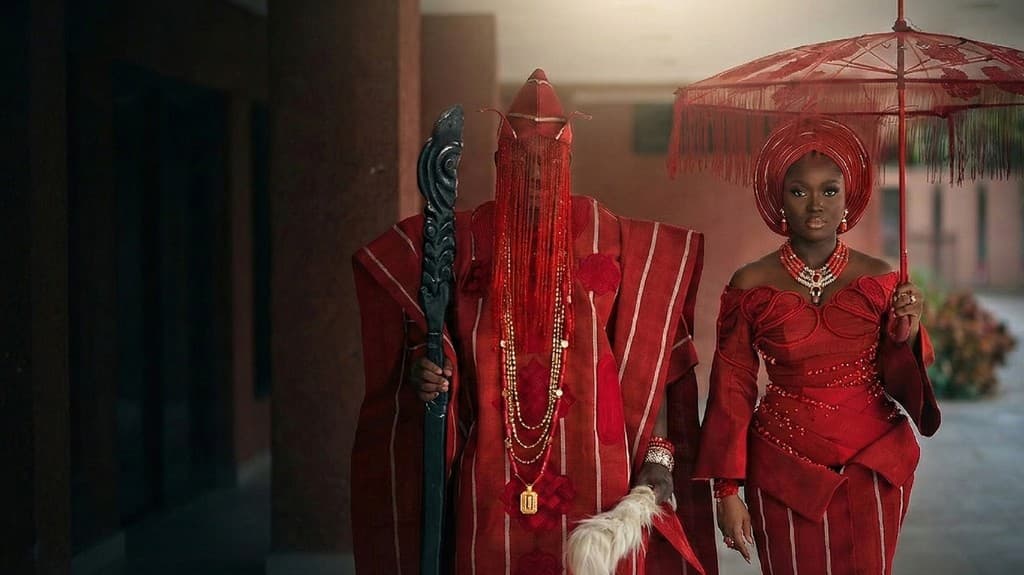
Nigerian weddings are among the most spectacular celebrations in the world, and the dress code is part of the event. If you've been invited to one (especially your first), the outfit expectations can feel like a code to crack: aso ebi, gele, agbada, colour-of-the-day. This guide breaks it all down so you arrive dressed beautifully and appropriately.
First, know which ceremony you're attending
Most Nigerian weddings have two distinct events, often on different days:
- The traditional wedding (engagement ceremony) is rooted in the couple's ethnic customs (Yoruba, Igbo, Hausa, Edo, and many more). This is where traditional attire shines: agbada, iro and buba, george wrappers, gele head ties.
- The white wedding is a church or civil ceremony followed by a reception. Dress codes here range from formal Western wear to traditional looks, and many guests blend the two.
When in doubt, traditional attire is almost never wrong at either event. It signals respect for the occasion.
Aso ebi: the uniform of celebration
Aso ebi (Yoruba for "family cloth") is fabric chosen by the couple's families and worn by their friends and relatives as a coordinated uniform. If you've been offered aso ebi:
- Buying it is a statement of closeness. It usually means you're considered part of the inner circle. The family sells you the fabric; you have it tailored into a style of your choice.
- You choose the style, not the fabric. The creativity is in how your tailor cuts it. No two aso ebi outfits at a wedding look the same, even in identical fabric.
- Not wearing it is fine for general guests. If you weren't offered aso ebi, dress in the wedding's colour scheme (often printed on the invitation) and avoid wearing the exact aso ebi colours, so you're not mistaken for the bridal party.
If you're ordering a custom aso ebi outfit from abroad, a marketplace with custom measurements lets a Nigerian tailor sew to your exact size before shipping.
For women: iro and buba, gowns, and the gele
- Iro and buba is the classic Yoruba wrapper-and-blouse combination, elegant and forgiving.
- Ankara or lace gowns: modern fitted silhouettes in traditional fabric are the dominant wedding-guest look right now.
- The gele is the sculptural head tie that completes the outfit. Pre-tied (auto) geles are widely available if you can't tie one yourself, and many vendors include one with an outfit.
Comfort note: receptions run long and involve serious dancing (owambe is not a spectator sport). Choose fabrics and fits you can move in.
For men: agbada, senator wear, and kaftans
- Agbada is the flowing wide-sleeved grand robe, usually a three-piece set (inner top, trousers, outer robe). It's the most formal statement a male guest can make. Expect to need 4–6 yards of fabric if you're having one made (full agbada guide here).
- Senator wear is the trim two-piece tunic-and-trouser suit. Sharp, modern, and the safest choice if you want traditional without the volume of an agbada.
- Kaftan sits between the two in formality; excellent for daytime ceremonies.
Pair any of these with a cap (fila for Yoruba styles) and leather slippers or loafers.
Colour rules every guest should know
- Follow the colour of the day if one is announced. It's usually on the invitation or shared by the planner.
- Avoid white unless the invitation requests it; it's generally reserved for the couple.
- Avoid the bridal family's exclusive aso ebi if you didn't buy into it.
- Bold is welcome. Nigerian weddings are not the place for muted minimalism: rich colour, embroidery, and shine are expected, not excessive.
Ordering your outfit: timelines that actually work
Custom tailoring is the norm for wedding wear, so work backwards from the wedding date:
- 6–8 weeks before: choose your vendor and fabric, submit measurements.
- 3–4 weeks before: outfit sewn and shipped (international shipping from Nigeria typically takes 1–2 weeks).
- 1 week before: try everything on, including shoes and gele.
When buying from a vendor you haven't used before, use a platform with escrow protection. Your payment is only released to the vendor after your outfit arrives, which matters most when you're on a wedding deadline.
You can browse ready-made and custom wedding-guest looks from verified African designers in the YANGGAH shop.
Frequently asked questions
Can a non-Nigerian guest wear traditional attire? Yes. It's almost always received as a compliment and a sign of respect, especially if you follow the colour of the day. Wear it with confidence.
How much should I budget for aso ebi? Fabric prices vary widely (₦20,000–₦150,000+ depending on quality and the family's choice), plus tailoring. Lace costs more than ankara cotton.
What if I can't tie a gele? Buy a pre-tied (auto) gele, or ask your vendor to include one. Most do. Many tutorials exist, but on the day itself, pre-tied removes all stress.
Is it okay to wear the same outfit to the traditional and white wedding? Most guests change between events. If you're only attending one, invest in that single look.