What to Wear to an Owambe: Style Guide for Guests, Brides & Celebrants
Occasions · 10 June 2026 · YANGGAH Editorial
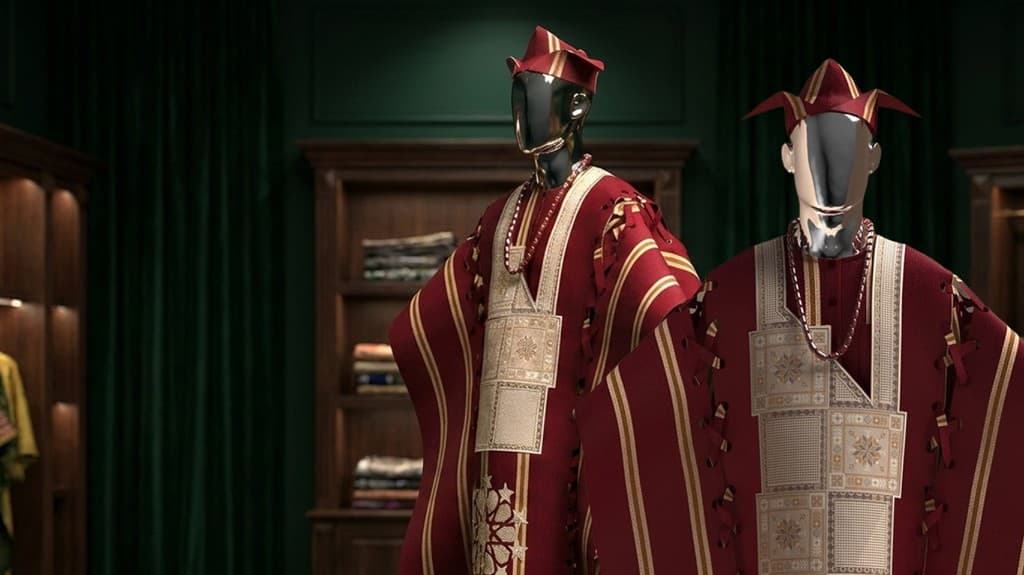
Owambe (Yoruba: "it is there") is the Nigerian party in its highest form: the wedding reception, the landmark birthday, the burial celebration of a life well lived. Live band or DJ, jollof in industrial quantities, money raining on dancers, and above all: fashion as competition and celebration at once. At an owambe, your outfit is not an afterthought. It's your entrance ticket to the spirit of the thing. Here's how to dress for one, whether you're a guest, the celebrant, or the bride herself.
First rule: find out the colour of the day
Almost every owambe has a coordinated colour scheme, often printed on the invitation, sometimes shared in the family WhatsApp group. Guests dress within that palette, and the effect when a hall full of people wears coordinated colours is part of the spectacle. If aso ebi fabric is being sold by the host family, buying in signals closeness (here's how aso ebi works). If not, dress in the colour of the day and you'll belong.
For women guests: the owambe trinity
The classic owambe look for women is built on three elements:
- The fabric. Lace dominates the owambe (corded French lace, sequinned lace, tulle lace) because it photographs like celebration. Ankara in a sharp modern cut is the energetic alternative, and aso oke brings the deepest traditional gravity.
- The silhouette. Current owambe styles run from fitted mermaid gowns with dramatic sleeves, to iro and buba with structured pleats, to two-piece sets with capes. Owambe fashion rewards boldness: puffed sleeves, high slits, sculptural shoulders.
- The gele. The head tie crowns the outfit. If you can't tie one, pre-tied (auto) geles solve it in thirty seconds. Many designers include one with the outfit if you ask.
One practical warning earned at a thousand owambes: you will dance. Choose a fit you can move in and shoes you can stand in for five hours, or do as seasoned attendees do and pack flat slippers for when the band finds its stride.
Owambe bridal looks: dressing as the bride or celebrant
When the owambe is yours (your traditional wedding, your reception, your 50th), the rules change. You're not dressing within the colour of the day; the colour of the day exists around you.
- Traditional brides typically wear aso oke (the handwoven cloth of Yoruba ceremony) as an iro (wrapper), buba (blouse), and a grand gele, in colours that set them apart from the aso ebi crowd. Yoruba brides often pair coral beads (ileke) with deep reds and golds; the celebrant's outfit is usually the richest fabric in the room by design.
- Reception brides increasingly do an outfit change: a second look in heavily embellished lace or a custom gown built for dancing, fitted through the bodice, freer below the knee.
- Celebrants (birthdays, anniversaries) follow the same principle: your fabric should outrank everyone else's. This is the occasion hand-finished aso oke and premium lace exist for.
Bridal and celebrant outfits are nearly always custom-made to your measurements. This is not the moment for guesswork sizing. Take your measurements properly (guide here) and start the process 6–8 weeks out: quality embellishment is slow work, and you'll want time for a fitting.
For men: match the magnitude
- Agbada: for grooms, celebrants, fathers of the bride, and guests who intend to be photographed. The full guide to choosing one is here.
- Senator wear: the sharp two-piece that handles an owambe with ease while leaving room to dance.
- Kaftan: relaxed but dignified, right for daytime owambes.
Cap (fila) and good slippers complete any of the three. If the family is selling men's aso ebi (often a matching fila or fabric), buying in carries the same meaning it does for women.
The unwritten owambe rules
- Don't outdress the celebrant. Arrive spectacular, but the bride/celebrant owns the room.
- Don't wear white at a wedding owambe unless asked to.
- Spraying money (showering the dancing celebrant with notes) is tradition, though note that spraying naira is technically restricted in Nigeria these days; follow the room's lead.
- Eat before the jollof runs out. This is not fashion advice, but it is owambe wisdom.
Ordering your owambe outfit online
Custom owambe wear from Nigerian designers is exactly what escrow-protected marketplaces are built for: you submit measurements, the designer sews, and your payment is only released after delivery. Order 6–8 weeks before the event to leave room for tailoring, shipping, and a fitting. Browse lace, aso oke, ankara and full custom looks from verified designers on YANGGAH.
Frequently asked questions
What's the difference between an owambe and a regular party? Scale and ceremony. An owambe is a celebration with live music, structured festivities, aso ebi, and fashion as a central event, most commonly weddings, milestone birthdays, and funerals celebrating a long life.
Can I wear the same outfit to the traditional ceremony and the owambe reception? Guests usually can. Brides and celebrants typically change: the traditional ceremony calls for aso oke and full traditional dress, while the reception look is often lace or a custom gown built for dancing.
As a non-Nigerian, can I wear traditional attire to an owambe? Yes, and it's warmly received. Dress in the colour of the day, wear the styles respectfully, and you'll be pulled onto the dance floor as family.
How much should I budget? Guests: fabric plus tailoring ranges widely: lace costs more than ankara. Brides/celebrants: expect a multiple of guest pricing, driven by fabric quality and handwork. Custom-made through a marketplace often beats boutique retail for the same quality.